


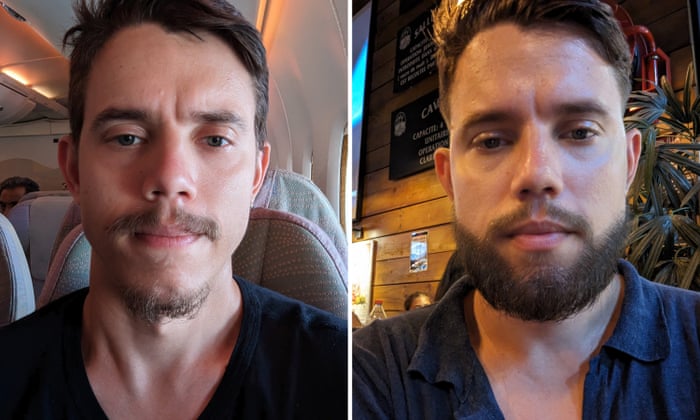
Facial hair has always been more than just strands of hair—it is a reflection of identity, personality, and style. In recent years, the popularity of beards has grown tremendously, from corporate leaders flaunting well-groomed beards to celebrities showcasing rugged facial hair on the big screen. Unfortunately, not every man can achieve the beard they envision. Genetics, hormonal issues, or past injuries often leave men with patchy or sparse growth. This is where beard transplantation comes in, combining medical science and surgical artistry to create life-changing transformations.
In this article, we’ll break down every aspect of the beard transplant journey, from medical details to psychological benefits, offering an in-depth look into why this procedure is becoming increasingly popular worldwide.
1. Why Beards Have Become a Modern Essential
The Rise of the Beard Trend
The 21st century has seen a cultural resurgence of facial hair. Unlike in the 1990s and early 2000s when a clean-shaven look dominated, modern trends celebrate stubble, thick beards, and unique styles. Social media, fashion, and celebrity culture have all contributed to this shift.
Social Perception of Beards
Research in social psychology shows that men with full beards are often perceived as more:
-
Confident and charismatic.
-
Strong and masculine.
-
Attractive in both professional and personal settings.
A full beard can also hide skin imperfections, scars, or uneven jawlines, enhancing facial harmony. For men unable to grow a thick beard naturally, this social bias can become a source of insecurity—making beard transplantation not just a cosmetic choice, but a confidence-restoring solution.
2. The Medical Science Behind Beard Transplantation
Beard growth relies heavily on androgens—hormones like testosterone and dihydrotestosterone (DHT). These hormones signal hair follicles to produce coarse, pigmented strands of facial hair during and after puberty. However, various factors may limit this growth:
-
Genetics: The most common reason for patchy or sparse beards.
-
Hormonal imbalance: Low androgen levels or receptor insensitivity.
-
Skin trauma: Scarring from burns, acne, or surgery.
-
Autoimmune conditions: Diseases like alopecia areata can cause localized hair loss.
By relocating healthy hair follicles from the scalp (which are naturally resistant to baldness) to the beard area, beard transplantation overcomes these obstacles. Once implanted, these follicles grow permanently like natural beard hair.
3. How Beard Transplantation Works
The Extraction Process
-
Donor Area Selection: Typically, the back or sides of the scalp provide the healthiest follicles.
-
FUE (Follicular Unit Extraction): The surgeon removes individual follicles with micro-punches.
-
FUT (Follicular Unit Transplantation): A strip of scalp skin is removed and dissected into units (less common today).
The Implantation Process
-
Tiny incisions are made in the beard region.
-
Follicles are placed at natural angles (30–45 degrees).
-
Artistic design ensures growth follows realistic beard patterns.
Session Duration
The procedure usually takes 4–8 hours and may require up to 3,000 grafts for full coverage. Patients return home the same day.
4. Recovery and Aftercare
Post-operative care plays a vital role in ensuring success.
-
Days 1–2: Avoid touching or scratching the treated area.
-
Day 3: Begin gentle washing with mild shampoos.
-
Weeks 2–4: Temporary “shock loss” occurs when transplanted hairs fall out.
-
Month 3: New growth starts to appear.
-
Months 6–12: Full density and permanent results become visible.
Doctors usually prescribe antibiotics and anti-inflammatories to minimize infection risk. Patients are advised to avoid heavy exercise, direct sunlight, and shaving for several months.
5. Benefits of Beard Transplantation
-
Permanent Results: Unlike topical solutions or temporary treatments, transplanted follicles last a lifetime.
-
Natural Appearance: Correct angling and artistic placement ensure realistic growth.
-
Versatility in Styling: Patients can shave, trim, or shape their beards freely.
-
Scar Coverage: Ideal for concealing acne marks or facial injuries.
-
Psychological Confidence: Patients often report improvements in self-esteem and social interactions.
6. Challenges and Risks
While highly effective, beard transplantation comes with considerations:
-
Cost: Prices vary globally, from $250 in some regions (Iran) to over $10,000 in the US.
-
Patience Required: Results take up to a year to fully mature.
-
Surgical Risks: Rare complications include infection, swelling, or uneven growth.
-
Skill Dependency: The surgeon’s expertise determines naturalness and density.
Choosing a certified and experienced clinic is essential to avoid disappointment.
7. Beard Transplantation Worldwide
Iran (Mashhad, Tehran)
Affordable costs ($250–$1,000) and skilled surgeons make Iran a growing hub for medical tourism.
Turkey
A global leader in hair and beard transplantation, with packages including surgery, hotel, and aftercare. Costs average $1,500–$3,000.
Europe & United States
High standards of care but significantly higher costs ($3,000–$10,000+).
Mashhad, in particular, is becoming popular internationally due to advanced clinics offering world-class results at accessible prices.
8. Alternatives Before Surgery
Men hesitant about surgery often try non-invasive options first:
-
Topical Minoxidil: Stimulates weaker follicles.
-
Microneedling: Boosts blood flow and collagen production.
-
Diet & Supplements: Foods rich in protein, zinc, and biotin support growth.
-
Lifestyle Changes: Reducing stress and improving sleep positively affect hormones.
While these methods may help in some cases, they cannot replace the permanence of beard transplantation.
9. Beard Styles Made Possible
After a successful procedure, men gain freedom to experiment with different looks:
-
Rugged full beard.
-
Classic goatee.
-
Stubble for a professional yet casual style.
-
Designer outlines for sharp jawlines.
This flexibility makes transplantation not just a medical fix, but a lifestyle upgrade.
10. The Psychological Transformation
Many men describe the procedure as life-changing:
-
They feel more confident in social settings.
-
Career opportunities improve due to enhanced self-image.
-
They finally feel aligned with their desired personal identity.
In short, beard transplantation restores more than just hair—it restores confidence and satisfaction.
11. Key Questions Answered
-
Is it painful?
No, the procedure is performed under local anesthesia. -
When can I shave?
Usually after 6 months, once grafts are stable. -
Are results permanent?
Yes, transplanted follicles behave like natural beard hair for life.
12. Final Thoughts
In a world where personal appearance and self-confidence are deeply interconnected, beard transplantation offers a permanent, reliable, and natural-looking solution for men struggling with patchy or thin facial hair.
By combining science, artistry, and surgical precision, this procedure has transformed the lives of thousands of men worldwide. Whether you want to enhance your style, cover scars, or simply feel more confident, beard transplantation is the modern path toward achieving the beard you’ve always dreamed of.
