


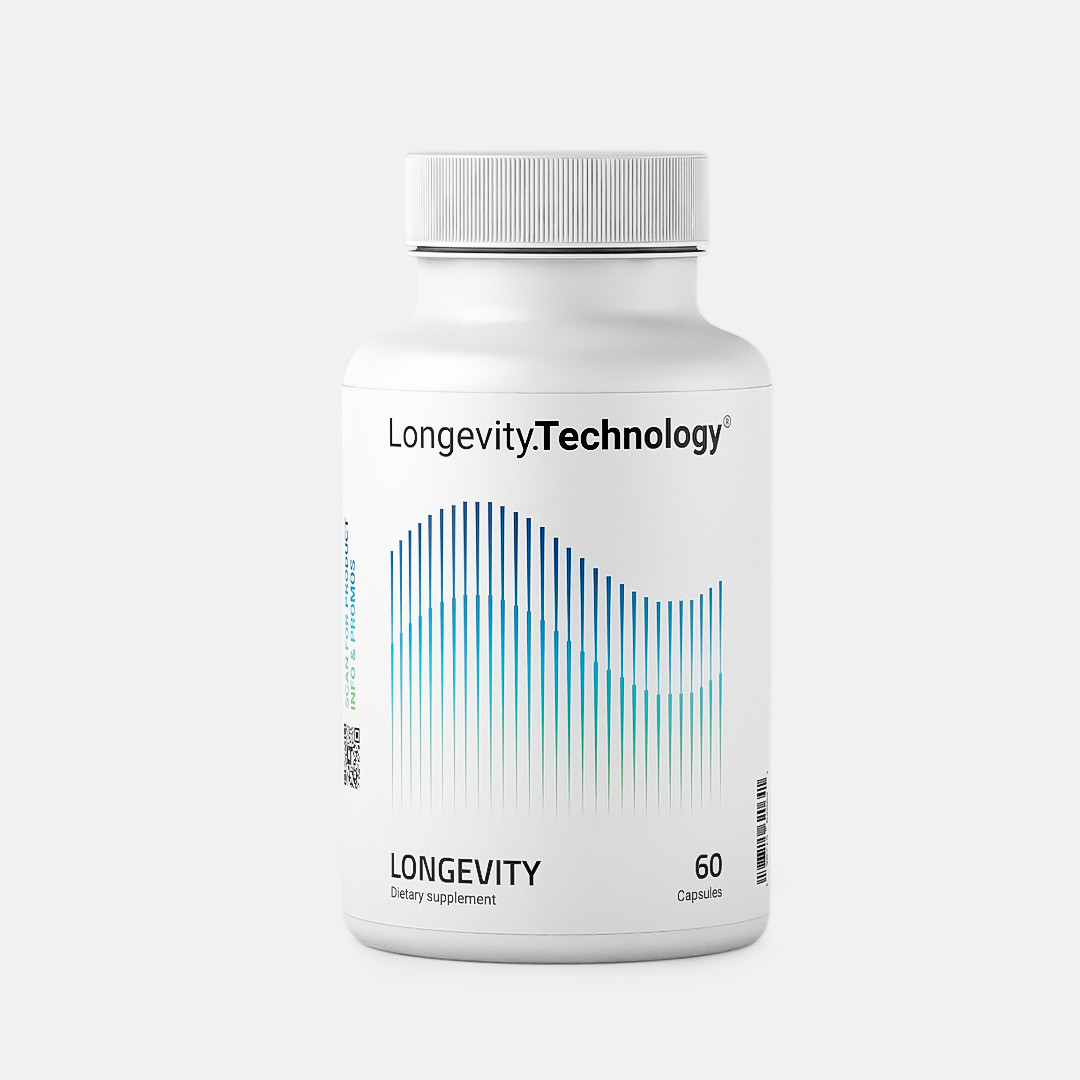
In today’s fast-paced world, maintaining optimal health can feel like a challenge. Busy schedules, processed foods, stress, and environmental factors often make it difficult to get all the nutrients our bodies need from diet alone. This is where health optimisation supplements come into play. For beginners, however, the world of supplements can be overwhelming. With countless options available, understanding what you actually need is the first step toward making informed decisions.
What Are Health Optimisation Supplements?
Health optimisation supplements are products designed to support your body’s natural functions and improve overall well-being. They typically include vitamins, minerals, herbs, amino acids, and other nutrients that may be lacking in your diet. Rather than replacing food, supplements are meant to “fill the gaps” and enhance your body’s performance.
These supplements can support various aspects of health, including immunity, energy levels, mental clarity, sleep, and physical performance. The key is choosing the right ones based on your individual needs.
Why Consider Supplements?
Even with a balanced diet, it can be difficult to meet all your nutritional requirements. Soil depletion, food processing, and modern eating habits often reduce the nutrient content in foods. Additionally, factors like age, lifestyle, stress, and health conditions can increase your body’s nutritional demands.
For example, someone who works long hours may experience fatigue and benefit from energy-supporting supplements. Similarly, individuals who spend little time in sunlight may need vitamin D support. Supplements can help bridge these gaps and support long-term health.
Essential Supplements for Beginners
If you’re new to health optimisation, it’s best to start with a few foundational supplements that provide broad benefits.
1. Multivitamins
A high-quality multivitamin is often the first supplement beginners should consider. It provides a range of essential vitamins and minerals that support overall health, including immune function, metabolism, and cellular repair.
Multivitamins act as a safety net, ensuring your body receives basic nutrients even if your diet is inconsistent.
2. Vitamin D
Vitamin D plays a crucial role in bone health, immune function, and mood regulation. Many people have low levels of vitamin D due to limited sun exposure, especially those who spend most of their time indoors.
Supplementing with vitamin D can help improve energy levels, support immunity, and promote stronger bones.
3. Omega-3 Fatty Acids
Omega-3s, commonly found in fish oil, are essential for heart health, brain function, and reducing inflammation. Since many diets lack sufficient fatty fish, supplementation is often beneficial.
Regular intake of omega-3 supplements can support cognitive function, improve mood, and contribute to cardiovascular health.
4. Magnesium
Magnesium is involved in hundreds of biochemical processes in the body, including muscle function, nerve signaling, and sleep regulation. Many people are deficient in magnesium without realizing it.
Supplementing magnesium can help reduce stress, improve sleep quality, and relieve muscle tension.
5. Probiotics
Gut health is closely linked to overall health. Probiotics are beneficial bacteria that support digestion, immune function, and even mental health.
A healthy gut microbiome can improve nutrient absorption, reduce bloating, and enhance overall well-being.
How to Choose the Right Supplements
When starting your supplement journey, it’s important to choose wisely. Not all supplements are created equal, and quality matters.
Look for Quality and Transparency
Choose reputable brands that provide clear ingredient lists, third-party testing, and quality certifications. Avoid products with unnecessary fillers, artificial colors, or excessive additives.
Understand Your Needs
Your supplement needs depend on your lifestyle, diet, and health goals. For example, athletes may require more protein and recovery support, while someone dealing with stress may benefit from calming nutrients like magnesium or herbal adaptogens.
Start Simple
Avoid taking too many supplements at once. Start with a few essential ones and gradually add others as needed. This approach helps you understand how each supplement affects your body.
Consult a Professional
If you have existing health conditions or are taking medication, it’s best to consult a healthcare professional before starting supplements. They can guide you on proper dosages and potential interactions.
Common Mistakes to Avoid
Beginners often make a few common mistakes when starting supplements. Being aware of these can help you avoid unnecessary risks.
Over-Supplementation
Taking too many supplements or high doses can do more harm than good. More is not always better. Stick to recommended dosages and avoid combining similar supplements without guidance.
2. Vitamin D
0
Supplements are not magic pills. They work gradually by supporting your body’s natural processes. Consistency is key, and it may take weeks or even months to notice significant improvements.
2. Vitamin D
1
Supplements should complement a healthy lifestyle, not replace it. A balanced diet, regular exercise, proper sleep, and stress management are equally important for optimal health.
2. Vitamin D
2
The supplement industry is full of bold claims and trendy products. Be cautious of “miracle” supplements that promise instant results. Focus on scientifically supported nutrients instead.
Building a Supplement Routine
Creating a consistent routine can help you get the most out of your supplements.
Start by taking supplements at the same time each day. Some are best taken with food (like fat-soluble vitamins), while others may be more effective on an empty stomach. Reading labels and following instructions is essential.
Tracking your progress can also be helpful. Pay attention to how you feel over time—whether it’s improved energy, better sleep, or enhanced focus.
The Role of Personalisation
One of the most important aspects of health optimisation is personalisation. What works for one person may not work for another. Genetics, lifestyle, and health conditions all influence your nutritional needs.
As you gain experience, you may explore more targeted supplements such as adaptogens for stress, protein powders for fitness, or nootropics for cognitive support. However, these should be added thoughtfully and based on specific goals.
Final Thoughts
Health optimisation longevity supplements UK can be a valuable tool for improving your well-being, especially when used correctly. For beginners, the key is to start simple, focus on foundational nutrients, and build a routine that supports your lifestyle.
Remember that supplements are just one piece of the puzzle. A healthy diet, regular exercise, quality sleep, and stress management are the foundation of long-term health. When combined with the right supplements, these habits can help you achieve a balanced, energised, and healthier life.
By taking a thoughtful and informed approach, you can confidently navigate the world of supplements and make choices that truly benefit your body and mind.
